Top 10 Influencers on Pinterest by Niche: 2026 Guide
Influencers on PinterestPinterest creatorsPinterest marketingcreator partnershipsTikTok Shop sellers
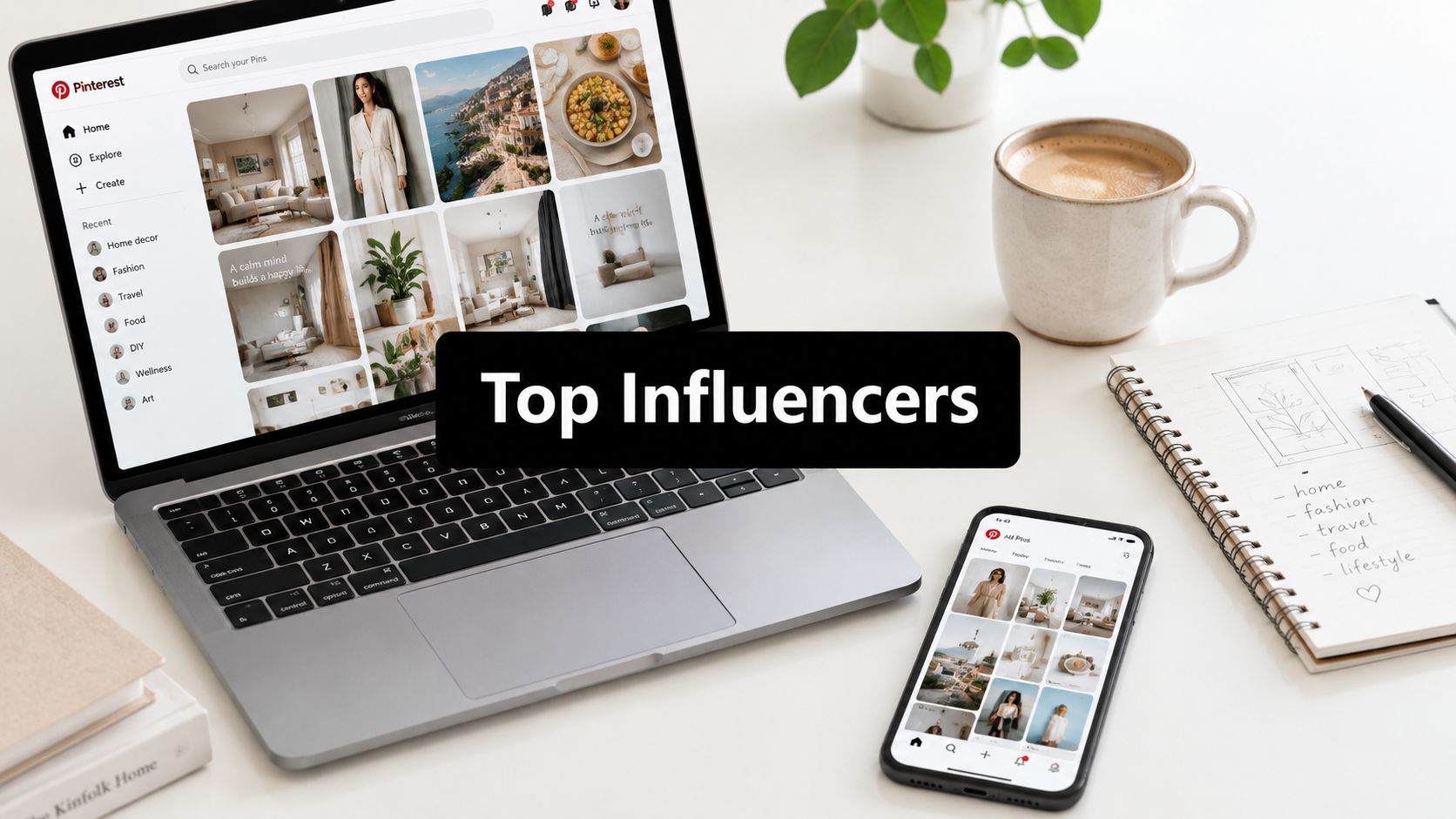
Pinterest influencers are creators whose boards drive saves, clicks, and purchase interest within specific niches, and the strongest partners for a seller are those whose board topics match the product category. On Pinterest, niche fit beats follower count because a board can collect saves long after a post goes live, while a mismatched creator can drive attention that never turns into profit.
That is the trap sellers run into. A board can rack up saves on a dreamy kitchen pin, yet the product behind it may still be weak after fees, ad spend, and commissions. That is why the HiveHQ Profit Dashboard matters for TikTok Shop sellers. It's self-serve software you run yourself, and it shows real-time net profit, product-level performance, and customer analytics so you can judge each creator idea against actual margin, not vanity engagement.
The ten creators below are grouped by niche, so you can move from recipes to home design to DIY without guessing which board belongs where. If you want more keyword angles for creator research, this Pinterest niche ideas for creators guide is a useful companion.
Table of Contents
- 1. Ree Drummond
- 2. Ali Ebrahimi
- 3. Tasty
- 4. Sally McKenney
- 5. Joy Wilson
- 6. Tieghan Gerard
- 7. Martha Stewart
- 8. Joanna Gaines
- 9. Emily Henderson
- 10. Brit Morin
- Top 10 Pinterest Influencers Comparison
- Turning Creator Picks Into Campaigns That Pay Off
1. Ree Drummond
Ree Drummond works because her Pinterest presence is built around family recipes, ranch life, and comfort food. That mix makes her boards feel usable, not aspirational for its own sake. For sellers, that matters because practical boards tend to create stronger product curiosity around cookware, pantry items, and kitchen accessories.
Her value is in the way a strong personal brand turns recipes into repeat discovery. A dinner board that points to a full recipe post can keep generating interest long after the first save. That is the kind of content flow a seller wants when checking whether a kitchen SKU deserves more spend in the HiveHQ Profit Dashboard.
Practical rule: Match the pin title to the meal and the moment. A clear ingredient plus occasion format is easier to search than a clever headline.
A seller selling Dutch ovens, sheet pans, or meal-prep containers should watch which recipe types create the most downstream interest. Family dinner boards often tell you more about purchase intent than broad lifestyle boards do. If a recipe pin drives saves but your net profit stays thin, the problem may be product margin, not creator quality. Pair the creator theme with the best-selling SKU set and let real product-level profit decide what gets scaled.
2. Ali Ebrahimi
Ali Ebrahimi's Gimme Some Oven brand is a strong example of how clean visuals and keyword-rich recipe naming can keep a board useful for a long time. Her content works because it's straightforward. People can tell at a glance what the dish is, how it's made, and why they might save it for later.
That clarity helps sellers of cooking tools and pantry ingredients. A weeknight dinner board can keep attracting saves from people who are planning ahead, which is exactly the kind of intent that can support evergreen product discovery. When a recipe board keeps getting saved, it can keep sending traffic to the products tied to it.
What to watch on the seller side
- Recipe language: Titles that mirror search behavior, such as dish name plus cooking method, usually work better than vague lifestyle copy.
- Repeatability: Boards built around weeknight meals often create steadier demand than one-off novelty posts.
- Profit reality: A low-price kitchen item can still look busy while producing poor net profit after fees and ad spend.
For sellers, the main trade-off is volume versus margin. Everyday recipes may bring broader reach, but not every click belongs to a profitable SKU. Use the HiveHQ Profit Dashboard to check whether the product behind the save activity is earning enough after costs. If it isn't, the board may be healthy while the item itself needs a pricing or bundling change.
3. Tasty
Tasty shows how fast, visual recipe content can create sudden demand for specific kitchen and ingredient products. Its style is simple to understand and easy to save, which is why this kind of content can move quickly inside a Pinterest feed. For sellers, that makes it useful when you want to catch trend-driven buying behavior.
The risk is inventory timing. A trending recipe video can create a burst of interest, but the burst can pass before a weak seller has even sorted out stock or margins. That is why Tasty-style boards need fast checks on product performance, not just clicks.
The wider social-commerce landscape for TikTok Shop sellers helps frame why this matters, because short-lived attention only pays off when the product side is ready.
A seller should treat this type of creator as a demand test. If a trending pin pushes traffic toward a spatula set, blender, or baking tool, check real-time net profit before you increase spend. Use the HiveHQ Profit Dashboard to see whether a spike is profitable or just noisy. If margin is thin, pause, refine, or swap the product set before the wave fades.
4. Sally McKenney
Sally McKenney is a strong Pinterest example because baking content rewards precision, trust, and repeat saves. People do not save baking pins just for inspiration. They save them because they want a tested result they can rely on later. That makes her audience especially useful for sellers of baking tools, ingredients, and kitchen equipment.
Her boards also show why specific recipe language matters. A dessert pin that clearly names the dessert type and method is easier to search and easier to revisit. That creates a cleaner path from discovery to product demand.
A seller should look at three things here. First, whether the board includes repeatable dessert themes. Second, whether the visual style makes the recipe feel achievable. Third, whether the related products still hold margin after fees and commissions. The HiveHQ Profit Dashboard is the seller-side check that keeps the conversation grounded in net profit, not just save count.
Saves matter, but only if the product behind them can survive the math.
5. Joy Wilson
Joy Wilson's Pinterest presence stands out because it blends recipe content, personality, and lifestyle imagery without feeling scattered. That balance matters. A board with a clear voice can make people trust the creator's recommendations on kitchen and baking products more than a board that looks technically polished but emotionally flat.
For sellers, the key trade-off is personality versus structure. Too much personality and the product message gets buried. Too little and the boards feel forgettable. Joy's style shows why a creator needs a board system that feels consistent and still leaves room for character.
If you are reviewing boards, look for a clear visual template. It helps followers know what to expect, and it helps sellers spot where product categories fit. A dessert board, for example, should make it obvious whether you're looking at ingredients, tools, or finished treats. That clarity makes it easier to connect the board to the right SKU set inside the HiveHQ Profit Dashboard.
Finding the right creator fit for your brand matters here because personality-driven boards only work when the product matches the creator's style. If the fit is off, saves may still happen, but profit won't.
6. Tieghan Gerard
Tieghan Gerard's Half Baked Harvest content is built for seasonal discovery. Her Pinterest boards often lean into fall, holiday, and richly styled recipes, which makes them a strong example of how a creator can trigger predictable spikes in saves and clicks. Seasonal intent is valuable because it helps sellers plan ahead instead of reacting after demand has already moved.
That said, seasonal boards can fool sellers if they only watch engagement. A board may look strong every autumn while the actual product line under it delivers weak net profit. That is where seller-side profit checks matter most.
Seasonal demand needs a different lens
- Board timing: Seasonal boards should be reviewed before the peak, not after it.
- Product readiness: Inventory needs to match the save pattern, or the traffic window gets wasted.
- Profit review: High seasonal interest is only useful if the category still clears margin after ad spend.
This is also where the HiveHQ Profit Dashboard gives better clarity than raw engagement. Review product-level performance during the seasonal window, then decide whether the category deserves more inventory or a smaller test. If the board creates saves but your margin disappears, the creator is not the issue. The product economics are.
7. Martha Stewart
Martha Stewart shows how a legacy name can still dominate evergreen seasonal search and save behavior. Her boards organize recipes, décor, and crafts into collections that feel durable instead of trendy. That durability matters because Pinterest content can keep resurfacing over long periods, so old pins can still influence current purchase decisions.
For sellers, the lesson is simple. Evergreen boards reward catalog thinking. A product line built around holiday hosting, table settings, or craft supplies can keep appearing in searches if the board structure is clean and the visuals remain relevant. That makes Martha-style boards useful for planning full product sets, not isolated products.
The seller trade-off here is broad reach versus precise SKU fit. A legacy creator can touch many categories, but not every category will be equally profitable for your shop. You still need the HiveHQ Profit Dashboard to compare product-level profit against the traffic that comes from saved seasonal content. If a holiday board drives interest in a category with weak COGS or poor margins, scale the board cautiously.
Choosing the right creator economy platform becomes a real issue here because long-lived boards need profit tracking that stays tied to the product, not the hype.
8. Joanna Gaines
Joanna Gaines is one of the clearest examples of how design-led inspiration can lead directly to shopping behavior. Her Magnolia-linked Pinterest content works because it presents rooms people want to copy. That is exactly what home décor sellers need, a board that turns inspiration into a practical shopping path.
Her boards also show why room-based organization usually beats generic style labels. A board for a farmhouse kitchen or nursery setup gives the shopper a problem to solve. That makes the buying path more concrete than a loose aesthetic board ever could.
How to vet a home décor creator
- Room logic: Boards should be organized around spaces or needs, not only broad style words.
- Visual consistency: Neutral, repeated design language helps shoppers compare items faster.
- Margin check: Furniture and décor often carry different economics, so product-level profit matters more than total traffic.
Use the HiveHQ Profit Dashboard to measure how each home décor SKU performs before you scale inspiration-driven campaigns. If a room board produces saves but the products behind it do not clear enough net profit after COGS and ad spend, the board is working harder than the inventory. That is a sign to adjust the assortment, not to abandon the creator.
Influencer public relations for brand growth is relevant here because room boards often depend on strong brand presentation. The creator may have the right aesthetic, but the product still needs the right profit story.
9. Emily Henderson
Emily Henderson is useful because her Pinterest boards show how room makeovers, styling tips, and sourcing guides can move people from inspiration into product decisions. Her content feels practical. A viewer can see the before, understand the change, and then connect specific furniture or accessory choices to the final look.
That before-and-after structure is powerful for sellers because it makes the product role obvious. A lamp, chair, rug, or shelf stops being a standalone item and becomes part of a room solution. That tends to improve product understanding, which is what a seller wants before checking whether the category is profitable.
The trade-off is that room-based content can raise expectations. People may want the full look, not a single item. That is helpful if you sell sets or coordinated accessories, but it can be weak if you only sell one isolated product. Use the HiveHQ Profit Dashboard to monitor GMV and COGS by product category so you can see whether higher-ticket items are earning their keep.
Building a strong brand ambassador program fits here because styling-led content often works best when it's repeated consistently. One pretty pin is nice. A repeated room story is better for profitable product demand.
10. Brit Morin
Brit Morin's Brit + Co presence is a strong reminder that DIY boards work when they explain the exact supplies needed. Her content is action-oriented, which makes it highly saveable. People do not just want the idea. They want the shopping list that turns the idea into a finished project.
That makes her boards especially relevant for sellers of kits, craft supplies, and home project materials. A tutorial pin with clear steps reduces confusion and helps the shopper connect the pin to actual products. That connection is where seller profit can become visible.
The seller-side question is simple. Which DIY bundles deliver margin after COGS and ad spend? The HiveHQ Profit Dashboard is the place to verify that. If the tutorial drives saves but the kit barely clears profit, the board may still be useful for awareness, but it should not receive the same budget as a better-performing bundle.
Influencer marketing for startups is a good reminder that small, focused creators often create cleaner testing conditions than broad lifestyle accounts. DIY is especially good for this because the supply list makes measurement easier.
Top 10 Pinterest Influencers Comparison
| Creator / Brand | Implementation complexity | Resource requirements | Expected outcomes | Ideal use cases | Key advantages |
|---|---|---|---|---|---|
| Ree Drummond (The Pioneer Woman) | Moderate, regular recipe posts with clear visuals | Moderate, food photography, website/cookbook integration | Repeat saves, steady recipe traffic and product interest | Cookware, pantry staples, family meal products | Highly relatable content and strong recipe trust |
| Ali Ebrahimi (Gimme Some Oven) | Low, simple, search-optimized pins | Low, tidy visuals and keyword-focused titles | Sustained saves and good search discoverability | Cooking tools, ingredients, weeknight meal items | Strong search discoverability and practical appeal |
| Tasty (BuzzFeed) | High, short-form video production at scale | High, video teams, rapid content turnover | Large save volume and rapid demand spikes | Trending kitchen tools and viral ingredient sales | High reach and viral, trend-driven demand |
| Sally McKenney (Sally's Baking Addiction) | Moderate, tested recipes with process photography | Moderate, recipe testing and step-by-step images | High-intent saves and conversions for baking products | Baking tools, specialty ingredients, tutorials | Highly searchable niche with reliable results |
| Joy Wilson (Joy the Baker) | Moderate, personality-led recipes and lifestyle posts | Moderate, consistent voice, lifestyle imagery | Trust-building engagement and steady conversions | Baking accessories and storytelling-driven product tie-ins | Personable voice that drives follower trust |
| Tieghan Gerard (Half Baked Harvest) | High, styled, seasonal recipe production | High, food styling, seasonal planning, photography | Strong seasonal save spikes and click surges | Seasonal food items, holiday promotions | Visually distinctive pins and strong seasonal signals |
| Martha Stewart | Moderate, editorial boards and evergreen content | High, extensive editorial assets and curation | Long content shelf life and sustained search traffic | Kitchen, dining, home goods with long-term appeal | High credibility and evergreen value |
| Joanna Gaines (Magnolia) | Moderate, cohesive visual curation by room | Moderate, styled photography and brand ecosystem | High purchase intent for home décor browsing | Home décor, furniture accents, room inspiration | Clear aesthetic that drives shopping intent |
| Emily Henderson | High, before/after makeovers and sourcing guides | High, project production, sourcing, photography | Strong purchase intent; longer decision cycles | Furniture, higher-ticket home accessories | Professional design credibility and transformation proof |
| Brit Morin (Brit + Co) | Moderate, project-based tutorial creation | Moderate, tutorial steps and supply listings | High save rates and repeat visits for DIY projects | Craft supplies, DIY kits, project bundles | Actionable how-to content with strong save performance |
Turning Creator Picks Into Campaigns That Pay Off
The smartest way to use influencers on Pinterest is to match the board theme to a complete product set, not a single item. A recipe creator should point toward cookware, ingredients, or serving pieces that make sense together. A home creator should map boards to room-based bundles. A DIY creator should connect tutorials to supply packs, not random accessories.
Seasonal timing matters too. If a board already shows fall, holiday, or back-to-school energy, test your campaign when that save behavior is already rising. That saves budget and keeps the message aligned with what users are actively collecting. Start with one niche, one creator type, and one product family. Scale only after the product-level numbers show real net profit.
The most common mistake is treating Pinterest like a pure awareness channel. It's not. It's a long-tail discovery engine, and the core question is whether discovery turns into profitable selling on your side. That's why sellers should pair creator research with the HiveHQ Profit Dashboard, so each board idea gets checked against real-time net profit, product-level performance, and customer analytics.
Frequently Asked Questions
How do I find Pinterest influencers in a specific niche?
Search the niche itself on Pinterest, then review boards for repeated topics, clear keywords, and save-worthy visuals. The best creators usually have board structures that mirror what buyers are already searching for.
What should I check before partnering with a Pinterest creator?
Check board focus, pin clarity, posting consistency, and product fit. If the creator's boards don't match your SKU category, the partnership may create saves without meaningful sales.
How do saves relate to sales on Pinterest?
Saves usually signal intent that can convert later, especially on evergreen boards. They are not a sale by themselves, so sellers still need product-level tracking to see what turns into profit.
Which metrics show whether a creator partnership is profitable?
Look at net profit, product-level performance, customer analytics, and the product costs tied to each campaign. If saves and clicks rise but profit stays weak, the creator is attracting attention that the product can't monetize well.
Try the HiveHQ Profit Dashboard at hivehq.ai to see real-time net profit, product-level performance, and customer analytics for TikTok Shop. Talk to the HiveHQ team about tracking profit by product, then use those numbers to decide which Pinterest-inspired campaigns deserve more spend.
HiveHQ gives TikTok Shop sellers self-serve access to the numbers that matter most, so you can judge creator-driven demand by profit, not guesswork. Use HiveHQ to track real-time net profit, product-level performance, and customer analytics, then talk to the team about building a clearer profit view for every product you sell.